Free shipping on US orders over $200Authentic electronics from official brandsEasy 30-day returnsSecure checkoutAudio · Networking · Smart Home · Cameras · GamingFree shipping on US orders over $200Authentic electronics from official brandsEasy 30-day returnsSecure checkoutAudio · Networking · Smart Home · Cameras · Gaming

My Account

Category: Tech Guides

Buying guides and how-tos on headphones, networking, power protection and more.

  • Open-Back vs. Closed-Back Headphones: Which Should You Buy?

    Open-Back vs. Closed-Back Headphones: Which Should You Buy?

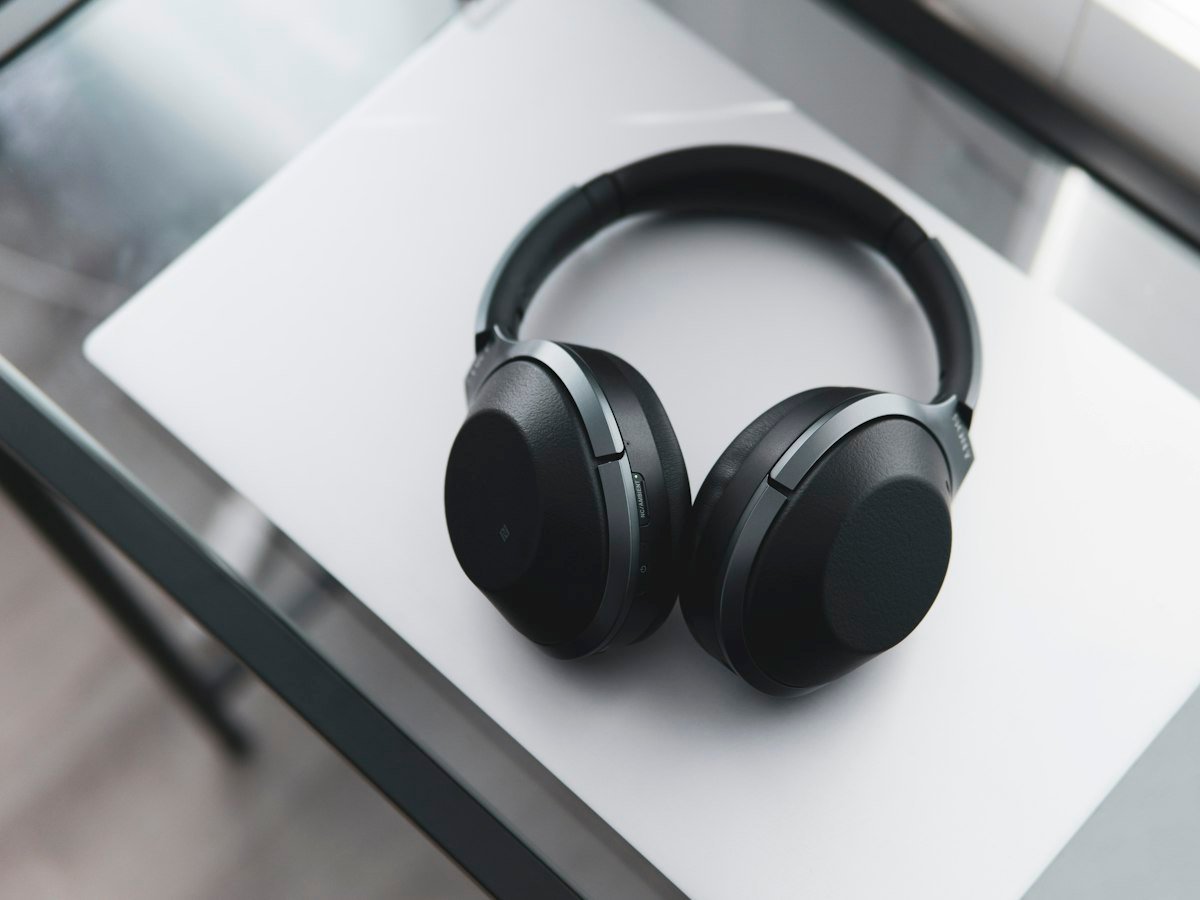
    Studio and audiophile headphones come in two main designs. Choosing the right one depends on where you listen and what you use them for.

    Closed-back

    • Seal around your ears and block outside noise.
    • Keep your music private — great for offices, travel and recording vocals.
    • Bass can feel stronger, and the soundstage feels more “inside your head”.

    Open-back

    • Let air and sound pass through the ear cups.
    • Create a wider, more natural soundstage that many people prefer for mixing and long listening sessions.
    • People around you can hear your music, and you will hear the room.

    What about impedance?

    Low-impedance headphones (around 32–80 ohms) are easy to drive from laptops and phones. Higher-impedance models (250 ohms and up) sound their best with a dedicated headphone amplifier or audio interface.

    Explore studio, wireless and everyday headphones in Headphones & Earbuds.
  • How to Choose a UPS Battery Backup for Your Home Office

    How to Choose a UPS Battery Backup for Your Home Office

    A UPS (uninterruptible power supply) keeps your computer and network running through short outages and gives you time to save work and shut down safely. It also smooths out brownouts and voltage spikes that can damage electronics.

    VA and watts

    Every UPS lists two ratings, such as 1500VA/900W. The watt figure is what matters: add up the power draw of everything you plan to plug in and choose a model with at least 20–30% headroom.

    AVR and pure sine wave

    • AVR (automatic voltage regulation) corrects small voltage dips without draining the battery.
    • Pure sine wave output is the safest choice for modern PCs with active PFC power supplies, audio gear and sensitive electronics.

    Runtime

    Most home UPS units provide a few minutes at full load and longer at light load. Plug only the essentials into the battery outlets — computer, monitor, modem and router — and use the surge-only outlets for printers and accessories.

    Form factor

    Mini-tower units sit under a desk; rackmount models fit network cabinets in small offices.

    Browse UPS systems, power banks and power stations in Power & Batteries.

  • Wi-Fi 6, 6E or Wi-Fi 7? How to Pick the Right Router

    Wi-Fi 6, 6E or Wi-Fi 7? How to Pick the Right Router

    Router boxes are full of numbers like AX1800, AXE5400 and BE6500. Behind the jargon there are only a few questions that matter: how fast is your internet plan, how big is your home, and how many devices connect at once.

    Wi-Fi 6: the sensible baseline

    Wi-Fi 6 handles many devices far better than older routers and is plenty for most internet plans up to about 1 Gbps. A dual-band Wi-Fi 6 router is the best value for apartments and smaller homes.

    Wi-Fi 6E: a fresh, uncrowded band

    6E adds the 6 GHz band. It is fast and free of interference from neighbors, but the signal does not travel as far through walls. It shines when your newest phones and laptops sit in the same room or one room away from the router.

    Wi-Fi 7: built for multi-gig internet

    Wi-Fi 7 adds wider channels and can use several bands at once. It makes the most sense if you have a 2 Gbps or faster plan, a 2.5G Ethernet port on your modem, and recent devices that support it.

    Single router or mesh?

    • One router usually covers apartments and homes up to roughly 2,000 sq ft.
    • Mesh systems spread several units around larger or multi-story homes for consistent coverage.
    • Place the main unit high and central, away from metal cabinets and thick walls.

    Compare routers and mesh systems in our Networking & Wi-Fi category.